
How Can Pre-Assembled Solar Mounting Components Reduce On-Site Labor?
Field assembly of mounting hardware can consume a significant share of installation hours on solar projects. Crews often need to measure, align, cut, and fasten individual components on site, and each additional step takes time and creates opportunities for mistakes. Pre-assembled solar mounting components help address this challenge by reducing the amount of work required at the installation site. For EPC contractors and solar installers, the benefits include more predictable schedules, improved crew productivity, and better control over the total installation cost. SIC SOLAR develops mounting solutions with practical installation requirements in mind. The following sections explain how pre-assembled components can simplify installation and reduce on-site labor.
Key Takeaways
- Pre-assembled mounting components reduce the amount of measuring, cutting, and fastening required on site.
- Fewer loose parts and simpler connections help crews complete installation more efficiently.
- Consistent factory production can reduce fitting problems, installation errors, and rework.
- Clear installation instructions and supplier support help new crews learn the assembly process faster.
- Selecting a mounting system that matches the roof or ground conditions is essential for achieving labor savings.
Why On-Site Labor Drives Solar Installation Costs
The Hidden Hours of Field Assembly
Preparing mounting components before delivery can reduce installation work and make material management easier on site. When crews receive organized components instead of numerous loose parts, they can spend less time sorting materials and checking individual items. This preparation helps simplify the solar mounting system installation process and keeps the work area more organized.
Loose-component assembly can consume crew hours in ways that are not always obvious during the initial project estimate. Workers may need to measure rail lengths, cut materials to fit, drill holes, and align brackets before fastening the structure. Every additional operation takes time and introduces the possibility of errors. A misaligned bracket or incorrectly positioned connection can interrupt the installation sequence, requiring workers to adjust the component and repeat part of the process. Across a large solar array, these small delays can add up.
Pre-assembled solar mounting components help reduce these tasks by arriving with certain parts already fitted or prepared for installation. Instead of building every connection from individual pieces, installers can focus more on positioning, securing, and checking the mounting structure.
Where Installation Delays and Rework Originate
Site conditions are a major factor in solar installation delays. On rooftop projects, problems such as damaged roofing materials, rusted metal sheets, blocked installation areas, and inaccurate measurements can prevent crews from starting work as planned. If these issues are discovered only after installers arrive, the project may require additional inspection, material adjustments, or rescheduling.
Supplier and specification choices can also create unnecessary rework. Common problems include:
- Choosing components based only on their initial price without checking material quality and compatibility.
- Selecting a mounting system that does not properly match the roof structure, installation environment, or project requirements.
- Working with a supplier that provides insufficient technical documentation or installation support.
Each of these issues can lead to additional labor, material adjustments, or installation interruptions. Proper project planning and suitable component selection help reduce these risks before the mounting hardware reaches the site.
How Pre-Assembled Solar Mounting Components Simplify Structural Design
Fewer Parts, Fewer Connections
Modular and pre-engineered mounting structures can make field assembly more straightforward, particularly for commercial and utility-scale solar projects. When mounting components are designed as compatible assemblies, installers have fewer individual parts to handle and fewer connections to complete manually. This reduces the amount of work that needs to be carried out at the project site.
Pre-assembled components can also reduce the need for repeated measuring, fitting, and fastening. Depending on the system design, some brackets, support frames, or connection sections may arrive partially assembled. Pre-drilled holes, standardized connection points, and adjustable mounting structures can further simplify installation. These features help crews follow a more consistent assembly sequence and reduce the need for unnecessary cutting or modification.
The actual level of pre-assembly depends on the mounting system and project requirements. Some projects may benefit from partially assembled frames, while others may require individual components to be installed separately because of transportation restrictions or site conditions. The key is to determine which parts can be prepared before delivery without making handling and installation more difficult.
SIC SOLAR provides mounting solutions for pitched roofs, flat roofs, facades, ground-mounted projects, solar trackers, and carports, together with supporting components such as aluminum rails, clamps, hooks, and connectors. Each application has different structural and installation requirements. Selecting a suitable configuration helps reduce unnecessary work while maintaining the stability of the mounting structure.
Faster Layout and Alignment
Large solar projects require mounting structures that can be installed efficiently while meeting the required structural performance and service-life expectations. Consistent component dimensions and clearly defined connection points make it easier for installation crews to position the structure accurately. Factory-prepared assemblies can reduce the amount of adjustment required during installation, especially when the project involves many repeated mounting units.
Faster layout and alignment start with consistent geometry. When frames and brackets are manufactured to defined specifications, installers can position them according to the project drawings rather than spending extra time correcting individual parts. Pre-drilled connections and standardized fastening methods also make it easier to follow the intended spacing and installation sequence.
These improvements become more valuable as the array size increases. A mounting structure with fewer individual parts requires less handling, while standardized connections make installation procedures easier to repeat. Over the course of a project, a more consistent assembly process can improve crew productivity and make the construction schedule easier to manage.
Adaptability That Cuts Fit-Up Work Across Roof Types
Matching Mounting Systems to Different Applications
Reducing rail attachment time and unnecessary on-site customization can lower installation labor requirements. However, not every solar mounting system is suitable for every project. The choice between railed and rail-less structures, for example, depends on the roof material, module layout, structural requirements, and installation method.
Railed mounting systems provide continuous support for solar modules and are commonly used in projects where the structure needs to accommodate specific spans, load conditions, or module arrangements. However, long rails may require additional handling, alignment, and cutting during installation if their dimensions are not planned properly.
Rail-less or simplified mounting solutions can reduce the number of long structural members used in certain applications. They may be suitable for specific metal roof profiles or projects where a compact installation arrangement is preferred. Their suitability still depends on the roof structure, load requirements, and the manufacturer's installation specifications.
For sloped roofing applications, installers should select mounting hardware that matches the roof profile and attachment method. SIC SOLAR's pitched roof mounting systems cover different metal and tile roof applications, helping project teams choose suitable brackets and connection methods for the installation environment.
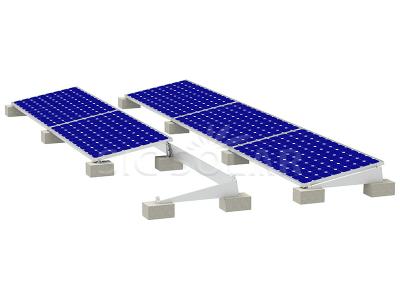
For flat roofs, the mounting design may use fixed-angle frames, adjustable structures, or ballasted configurations depending on roof conditions and project requirements. A suitable flat roof solar mounting bracket system can simplify component positioning and reduce unnecessary adjustments during installation.
Less Cutting and Custom Modification
Pre-assembled solar mounting components can reduce the amount of field fabrication required. When parts are manufactured according to the planned configuration, installers can focus on positioning and fastening rather than carrying out complex measurements, cutting, or custom modifications. This also reduces the need to bring additional fabrication tools to the installation site.
Project planning plays an important role in achieving these benefits. Rail lengths, support positions, and structural member dimensions should be reviewed before materials are ordered. Standardized connections between compatible rails, bolts, nuts, and connectors make the assembly process more predictable. Clear component lists, technical drawings, and installation instructions also help contractors understand the system configuration before work begins.
The same principle applies to ground-mounted solar projects. Ground conditions, foundation design, row spacing, and wind and snow loads all affect the mounting structure. Choosing an appropriate ground solar mounting system based on the project requirements can reduce unnecessary adjustments during foundation and frame installation.
Optimized rail and clamp configurations can also make installation procedures more consistent across different applications. SIC SOLAR supplies aluminum rails, clamps, hooks, and connectors designed for solar mounting structures. When compatible components are selected in advance, crews can follow a clearer assembly sequence, with less material waste and fewer interruptions caused by fitting problems.
Reliability and Guidance Lower Rework for Pre-Assembled Components
Consistent Factory Quality, Fewer Callbacks
Factory-controlled production helps reduce the variation that can lead to installation errors. When mounting components are manufactured according to consistent specifications and inspected before delivery, installers are more likely to receive parts with compatible dimensions and connection points. This makes it easier to align brackets, position rails, and secure fasteners correctly during the first installation attempt.
Quality control is particularly important for components that need to work together as part of a complete mounting structure. Differences in hole positions, dimensions, surface treatment, or connection design can create difficulties during assembly. Checking these details before shipment helps reduce the possibility of missing parts, incompatible fittings, and unnecessary replacement work on site.
A well-organized supply process provides another layer of support. When components are clearly identified, packed according to the project configuration, and delivered with the necessary documentation, installation crews can spend less time sorting materials or checking individual items. This allows more working time to be devoted to actual installation tasks.
Clear Guidance Shortens the Learning Curve
Every mounting system has its own installation sequence, and new crew members need time to become familiar with the components. Clear technical documentation can shorten this learning process. Assembly drawings, component lists, and step-by-step instructions help installers understand how each part connects before they begin work on the roof or ground.
Standardized connection methods make the process easier to repeat. Once workers understand the correct installation sequence, they can apply the same procedure to similar mounting units across the project. This improves consistency between different installation teams and reduces uncertainty when the crew moves from one section of the array to another.
Support from an experienced solar mounting components supplier is also valuable. SIC SOLAR combines mounting hardware with product guidance, technical experience, and quality control. Its R&D team works on developing mounting solutions that are practical to install while meeting project requirements for durability and structural performance.
For installers, access to clear product information and timely technical support can make it easier to resolve questions during installation. The result is a more organized workflow, a shorter learning curve for new crews, and less time lost to avoidable rework.

How to Choose Pre-Assembled Solar Mounting Components
The benefits of pre-assembled components depend on how well the system matches the project. Before selecting a supplier or requesting a quotation, EPC contractors and installers should review several practical factors:
- Installation application: Confirm whether the project involves a pitched roof, flat roof, facade, open field, or carport structure.
- Site conditions: Review roof materials, ground conditions, available installation space, and potential access restrictions.
- Structural requirements: Confirm the applicable wind load, snow load, module arrangement, and other project-specific requirements.
- Level of pre-assembly: Ask which components will arrive assembled and which connections still need to be completed on site.
- Component compatibility: Check whether rails, clamps, brackets, fasteners, and connectors are designed to work together.
- Packaging and transportation: Review how components are packed, labeled, and organized to support efficient unloading and material distribution.
- Technical support: Confirm whether the supplier can provide installation drawings, component lists, and technical assistance when needed.
For projects that require solar panels to be installed above parking areas, the mounting structure also needs to account for vehicle clearance, column positions, drainage, and the overall layout. SIC SOLAR's solar carport mounting solutions provide another option for projects that combine parking facilities with solar power generation.
For projects that use movable structures to adjust panel orientation, contractors should also consider the mechanical design, installation sequence, and maintenance requirements of the tracking system. SIC SOLAR offers solar tracking mounting systems for ground-mounted applications.
Conclusion: Reduce Installation Work with the Right Mounting Design
Pre-assembled solar mounting components can simplify installation at several stages. Fewer individual assembly steps reduce handling time. Standardized connections make positioning and fastening more straightforward. Better preparation across pitched roof, flat roof, facade, and ground-mounted applications can also reduce unnecessary cutting and customization. Consistent factory quality and clear technical guidance help limit fitting problems and rework.
For EPC contractors and installers, these improvements can support more predictable project schedules and more efficient crew utilization. Instead of evaluating mounting hardware only by its purchase price, project teams should consider the total installation process, including labor, material handling, transportation, and potential rework.
SIC SOLAR provides mounting solutions for residential, commercial, and utility-scale solar applications. By discussing roof or ground conditions, structural requirements, and installation preferences with the supplier before ordering, project teams can identify a suitable configuration and plan the installation process more effectively.
Frequently Asked Questions
How do pre-assembled solar mounting components reduce labor costs?
Pre-assembled components reduce the amount of work installers need to complete on site. Depending on the system design, some parts may arrive already fitted or prepared for connection. This reduces repeated measuring, cutting, drilling, and fastening, allowing crews to focus more on positioning and securing the mounting structure. The actual labor savings depend on project size, site conditions, system design, and the level of pre-assembly.
Do pre-assembled mounting components cost more than loose parts?
The purchase price depends on the mounting system, materials, manufacturing process, and supplier. However, unit price alone does not show the full project cost. Contractors should also consider installation labor, material handling, cutting, adjustment, and potential rework. A system with a higher initial component price may still be practical if it reduces installation complexity and saves time on site.
Which roof types can benefit from pre-assembled solar mounting systems?
Pitched roofs and flat roofs can both benefit from mounting components that are prepared for efficient installation. The suitable configuration depends on the roof material, structural conditions, module layout, and local wind and snow requirements. Metal roofs and tile roofs may require different brackets and attachment methods, while flat roofs may use fixed-angle, adjustable, or ballasted structures.
How does factory quality control reduce installation rework?
Factory quality control helps ensure that components meet the required dimensions, material specifications, and connection requirements before shipment. Consistent parts are easier to align and assemble, reducing the possibility of fitting problems caused by dimensional differences or incompatible connections. Proper inspection and organized packaging can also help prevent missing or damaged components from interrupting installation.
What support should installers request from a solar mounting supplier?
Installers should request clear assembly drawings, component lists, installation instructions, and technical specifications. It is also useful to confirm whether the supplier can provide guidance on system selection, site conditions, and connection details. These resources help crews understand the mounting structure before installation and resolve technical questions more efficiently.
Are pre-assembled solar mounting components suitable for large solar projects?
They can be suitable for large commercial and utility-scale projects, particularly when the mounting design uses repeatable structural units and standardized connections. Before choosing a solution, project teams should evaluate transportation requirements, installation equipment, site access, structural loads, and the level of pre-assembly that can be handled efficiently. The supplier should confirm that the proposed configuration meets the project's technical and installation requirements.