
What Glass Bottle Defects Should Cosmetic Brands Look for During Inspection?
Cosmetic brands should inspect glass bottles for cracks, chips, bubbles, scratches, uneven glass distribution, distorted shapes, defective neck finishes, and inconsistent surface decoration. These are among the most important defects to identify before filling and packaging.
Not every glass bottle defect has the same level of risk. A small cosmetic imperfection may affect brand appearance, while a crack, damaged neck, or serious structural defect may compromise product protection, closure compatibility, or packaging safety.
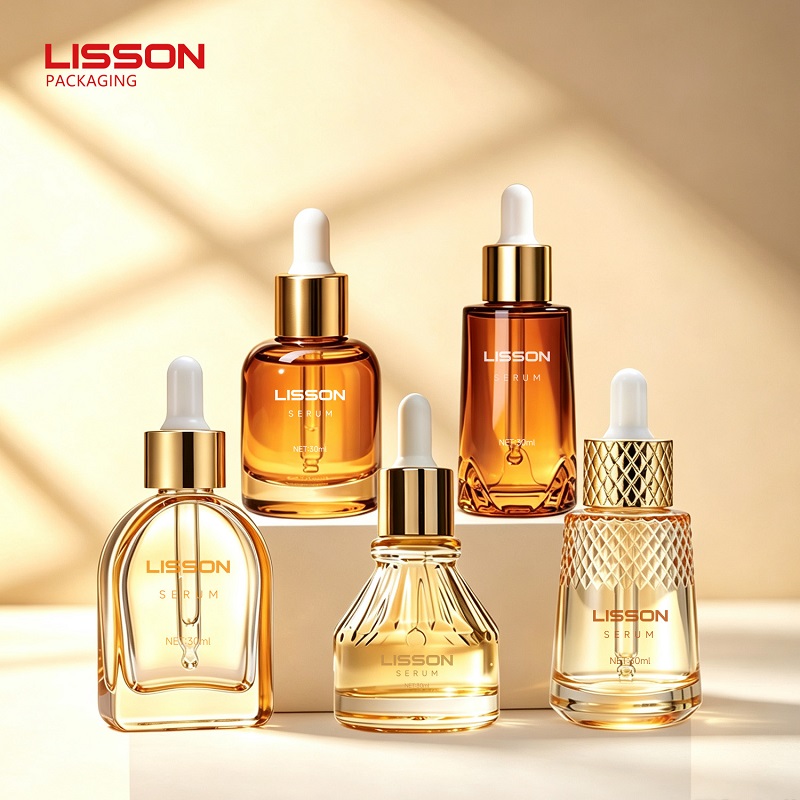
For skincare, serum, and perfume brands, glass bottle inspection should cover both appearance and functional quality. LISSON provides customized glass cosmetic packaging, so buyers should define their acceptance criteria according to the bottle design, intended application, decoration requirements, and production specifications.
Why Is Glass Bottle Inspection Important for Cosmetic Brands?
Glass bottle inspection helps cosmetic brands identify manufacturing defects before containers move into filling, capping, labeling, and distribution. It reduces the risk of product leakage, broken packaging, assembly problems, and inconsistent brand presentation.
For premium cosmetic products, packaging quality is particularly important because customers often associate the appearance and condition of the bottle with the quality of the formula inside.
A proper inspection process helps brands:
- Identify defective bottles before filling.
- Reduce the risk of breakage during handling and transportation.
- Prevent leakage caused by damaged neck finishes.
- Maintain consistent bottle appearance across production batches.
- Protect the quality of printed, coated, and decorated packaging.
- Reduce unnecessary rework, product waste, and customer complaints.
The inspection standard should be agreed upon before mass production. Cosmetic brands should distinguish between critical defects, major defects, and minor appearance variations according to their product requirements and quality agreements.
What Visual Defects Should Inspectors Look For?
Visual defects are among the easiest glass bottle problems to identify during incoming inspection. However, inspectors should use consistent lighting, viewing conditions, and approved reference samples to make reliable decisions.
The most common visual defects include:
- Glass bubbles: Small air bubbles may appear inside the glass body. Their acceptability depends on their size, location, quantity, and the agreed visual standard.
- Surface scratches: Scratches can affect the appearance of transparent or coated bottles, particularly in highly visible areas.
- Black spots and foreign particles: Visible contamination may indicate a manufacturing or material handling problem.
- Uneven coloration: Inconsistent glass color or coating can make bottles from the same production batch look different.
- Surface stains: Marks, residue, or irregular surface areas may affect the final presentation.
- Distorted appearance: Uneven contours, visible deformation, or inconsistent geometry may affect both aesthetics and component alignment.
Brands should pay particular attention to visible areas such as the front panel, shoulder, base, and decorative surfaces. For clear glass bottles, scratches and bubbles may be more noticeable, while colored or frosted bottles may require different inspection conditions.
Which Structural Defects Can Affect Glass Bottle Performance?
Structural defects are more serious because they may affect the bottle's ability to withstand handling, filling, capping, and transportation.
Inspectors should look for the following problems:
- Cracks: Visible cracks can compromise bottle integrity and should be treated as serious defects.
- Chipped edges: Damage around the bottle opening or base can create safety and functional concerns.
- Uneven wall thickness: Significant variation may affect the bottle's structural consistency and performance.
- Deformed bottle bodies: Incorrect shapes may interfere with filling equipment, labeling, or secondary packaging.
- Base irregularities: An unstable or uneven base can affect how bottles stand and move through production equipment.
- Neck damage: Chips, cracks, or deformation around the opening may affect closure fit and sealing performance.
Not all structural characteristics can be judged by looking at the bottle. Where required, dimensional measurement and appropriate performance tests should be used to verify compliance with the approved specifications.
For perfume brands, LISSON's Perfume Glass Packaging Collection provides different bottle designs that can be evaluated according to appearance, structural quality, and dispensing requirements.

Why Should Bottle Neck and Opening Defects Be Checked Carefully?
The bottle neck and opening are critical areas because they connect the glass container with the cap, pump, dropper, or spray assembly.
Even if the bottle body looks attractive, defects around the neck may prevent the closure from fitting correctly or maintaining a reliable seal.
Common neck-related defects include:
- Chipped or damaged bottle openings.
- Uneven neck height.
- Incorrect neck diameter.
- Irregular thread formation.
- Uneven sealing surfaces.
- Visible cracks or deformation around the neck.
These issues can lead to poor cap engagement, leakage, difficult capping, and inconsistent assembly. For bottles used with pumps and droppers, the complete neck finish should be checked against the corresponding closure specifications.
For brands developing serum and treatment packaging, LISSON's Glass Dropper Bottle Range provides different packaging styles for liquid skincare applications.
What Decoration Defects Should Be Included in Quality Inspection?
Many cosmetic glass bottles use additional surface treatments to create a distinctive brand appearance. These may include frosting, color spraying, gradient coating, silk-screen printing, hot stamping, and metallic decoration.
Although the glass container may be structurally acceptable, defects in the decorative finish can still make the product unsuitable for a premium cosmetic line.
Common decoration-related issues include:
- Uneven coating: The color or surface finish may vary across the bottle body.
- Color differences: Bottles may not match the approved color reference or Pantone specification.
- Printing misalignment: Logos and text may appear in the wrong position.
- Incomplete printing: Some logo details may be missing, blurred, or poorly transferred.
- Coating scratches: The decorative surface may be damaged during handling or packaging.
- Peeling or poor adhesion: Surface treatments may not maintain the required adhesion under relevant handling conditions.
For decorated bottles, inspectors should compare samples against approved artwork, color references, and finishing standards. Where relevant, coating adhesion and durability should also be evaluated using agreed test methods.
How Should Cosmetic Brands Organize a Glass Bottle Inspection Checklist?
A useful glass bottle inspection checklist should cover appearance, dimensions, neck finish, decoration, and functional performance. The inspection criteria should be documented so that purchasing teams, manufacturers, and quality inspectors follow the same requirements.
The following checklist can be used as a starting point for incoming glass bottle inspection.
| Inspection Area | What to Check |
|---|---|
| Glass appearance | Cracks, bubbles, scratches, spots, and stains |
| Bottle structure | Wall thickness, shape, base stability, and deformation |
| Neck finish | Diameter, height, threads, and sealing surface |
| Dimensions | Height, width, diameter, and specified tolerances |
| Decoration | Color, coating, printing, logo position, and adhesion |
| Functional performance | Closure fit, sealing, and relevant handling tests |
For larger production orders, brands may also establish an appropriate sampling plan and acceptance criteria. The sampling method and defect classification should be agreed upon with the manufacturer rather than relying on an arbitrary inspection quantity.
For different cosmetic applications, LISSON's Cosmetic Glass Bottle Collection provides a range of bottle and packaging designs for brands developing coordinated product lines.
How Can Brands Reduce Glass Bottle Defects Before Mass Production?
The most effective way to reduce glass bottle defects is to establish clear specifications and inspection requirements before mass production begins.
Brands should consider the following practices:
- Provide approved bottle drawings and reference samples.
- Confirm critical dimensions and acceptable tolerances.
- Define appearance requirements for bubbles, scratches, and other visible imperfections.
- Approve color, coating, printing, and decorative samples before production.
- Check bottle neck compatibility with the intended closure.
- Inspect representative samples before approving the full production batch.
- Maintain inspection records and approved samples for future comparison.
Early communication is particularly important for customized packaging. A bottle design with a special shape, thick base, gradient coating, or metallic decoration may require more specific acceptance criteria than a standard clear glass container.
Frequently Asked Questions
What are the most common defects in cosmetic glass bottles?
Common defects include cracks, chips, bubbles, scratches, black spots, uneven wall thickness, distorted shapes, defective neck finishes, and inconsistent surface decoration.
Are small bubbles in glass bottles always unacceptable?
Not necessarily. Acceptability depends on the bubble size, location, quantity, product requirements, and agreed visual inspection standards. Critical defects should be distinguished from acceptable cosmetic variations.
Why are cracks around the bottle neck serious?
Cracks around the neck may compromise structural integrity and affect the connection between the bottle and closure. They can also increase the risk of breakage and leakage.
How do brands inspect glass bottle surface quality?
Brands can use consistent lighting and visual inspection conditions to check for scratches, bubbles, spots, stains, and uneven surfaces. Approved reference samples should be used for comparison.
What should be checked on decorated glass bottles?
Inspectors should check color consistency, coating coverage, logo position, printing quality, scratches, and coating adhesion according to the approved decoration specifications.
Should cosmetic brands inspect every glass bottle?
Inspection requirements depend on the product, manufacturing process, quality agreement, and risk level. Brands can establish a suitable sampling plan and use additional inspection for critical characteristics where necessary.
When should glass bottle inspection take place?
Inspection should take place during sample approval, incoming quality checks, and before filling or mass production release. Additional checks may be required after changes to the bottle design or manufacturing process.
A reliable glass bottle inspection process should look beyond surface appearance. By checking structural integrity, neck dimensions, decoration, and functional compatibility, cosmetic brands can identify defects earlier and maintain more consistent packaging quality. For custom glass cosmetic packaging, clear specifications and approved samples are essential starting points.