
How Food Brands Reduce Packaging Costs Through Custom Manufacturing
For food brands, packaging costs involve much more than the price of a box or bag. Material selection, printing, production quantities, storage, transportation, and product protection all contribute to the final packaging budget. A packaging solution that looks inexpensive at the quotation stage may become costly if it requires excessive material, creates storage difficulties, or leads to product damage during distribution.
Custom manufacturing gives food businesses more control over these expenses. Instead of purchasing standard packaging that may not fit their products or sales channels, brands can work directly with a packaging manufacturer to adjust dimensions, materials, structures, printing methods, and order quantities. The objective is to achieve the right balance between packaging performance, brand presentation, and total purchasing cost.
For food companies sourcing custom packaging, PackTaki provides customized packaging solutions covering food pouches, paper sleeves, PET boxes, and other packaging formats. Understanding how these options affect costs can help brands make better purchasing decisions.
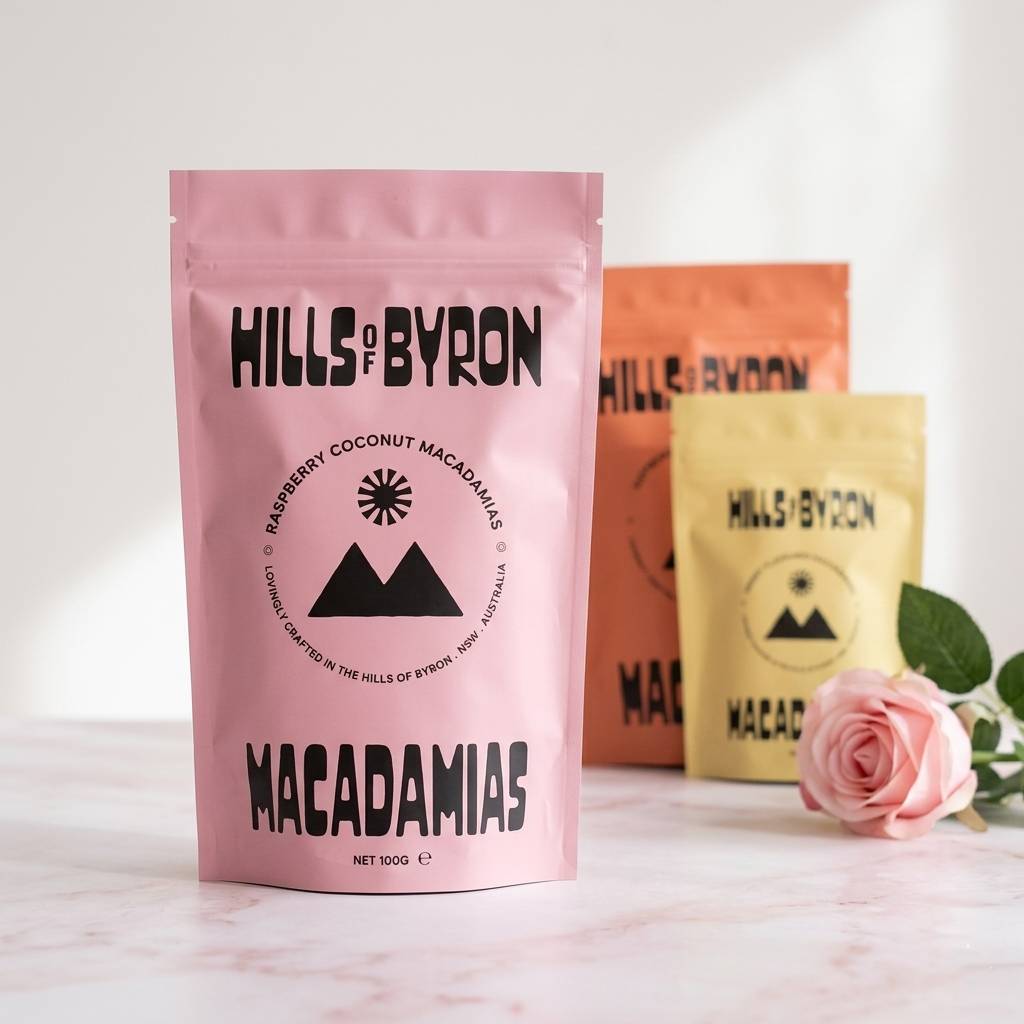
Custom printed food pouches designed for retail snack packaging.
Why Food Packaging Costs More Than the Unit Price
When comparing packaging suppliers, buyers often focus on the quoted price per piece. However, the actual cost of packaging includes several additional factors that should be considered before placing an order.
- Material consumption: Oversized packaging and unnecessarily thick materials increase raw material usage.
- Printing and finishing: Complex colors, special coatings, embossing, and additional finishing processes can increase manufacturing expenses.
- Production efficiency: Complicated structures and frequent design changes may require additional setup and production time.
- Storage and transportation: Packaging that occupies too much warehouse or shipping space can increase logistics costs.
- Product protection: Insufficient packaging protection may result in damaged products, returns, and wasted inventory.
For example, a snack company may find that a cheaper standard pouch does not provide sufficient moisture protection. If the product loses its freshness before reaching customers, the initial savings are quickly outweighed by product losses and customer complaints.
Therefore, the better approach is to evaluate the total packaging cost rather than selecting a supplier based on unit price alone.
Choose the Right Packaging Material for Each Food Product
Material selection is one of the most direct ways to control packaging costs. Different food products require different levels of protection, and using the same packaging material for every product may lead to unnecessary expenses.
Dry snacks, nuts, coffee, baked goods, fresh fruit, and prepared foods have different packaging requirements. For instance, products sensitive to moisture or oxygen may need high-barrier flexible packaging, while certain bakery and takeaway products may be better suited to paper-based packaging.
Food brands should consider the following factors before selecting a material:
- Moisture and oxygen barrier requirements.
- Grease resistance and contact with food.
- Product weight and transportation conditions.
- Required shelf life and storage environment.
- Printing requirements and expected retail appearance.
For dry snacks, nuts, and similar products, custom food seal bags can provide resealable closures and optional barrier structures. Choosing only the protection level the product actually needs helps avoid unnecessary material costs.
For bakery products, takeaway meals, and other food applications, paper-based structures may offer a practical alternative. The important point is to match the material to the product instead of paying for features that do not improve its storage or selling performance.
Optimize Packaging Dimensions and Structural Design
Packaging that is too large wastes material and transportation space. Packaging that is too small may damage the product, make filling difficult, or create problems during sealing and handling.
Custom manufacturing allows brands to adjust length, width, height, gusset dimensions, closure positions, and internal structures according to the actual product. This is particularly important for food businesses handling multiple package sizes or product varieties.
For example, a brand selling different quantities of dried fruit may need small retail pouches, medium family packs, and larger wholesale formats. A manufacturer can help evaluate whether these sizes can share similar production specifications without compromising product protection or usability.
Paper sleeves are another useful option. Rather than placing every item inside a fully customized paper box, brands can sometimes use a sleeve around an existing container or package. This reduces the amount of additional packaging material while creating a dedicated area for logos, product information, and promotional graphics.
Brands looking for this approach can explore custom printed paper brand sleeves for food containers, retail packaging, and product presentation.
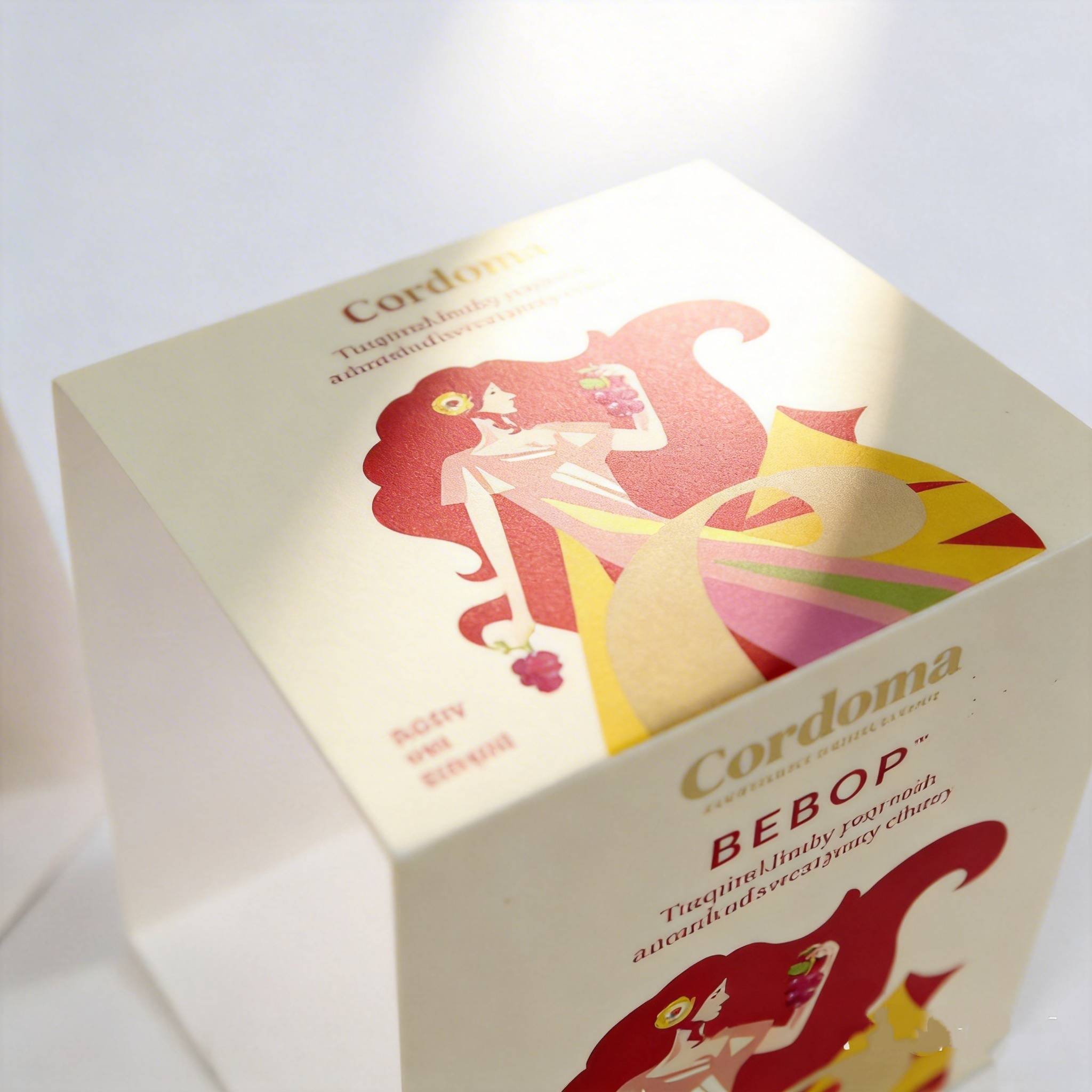
Custom paper packaging with branded printing and a product-specific structure.
Use Bulk Manufacturing to Improve Purchasing Efficiency
Production quantity has a direct influence on packaging quotations. Printing setup, tooling, material preparation, and machine adjustments may involve fixed costs. When these costs are distributed across a larger order, the average cost per unit can become more competitive.
For established food brands with relatively stable demand, bulk manufacturing can help reduce repeated purchasing and production setup expenses. It may also make it easier to maintain consistent packaging specifications across different batches.
However, ordering more packaging is not automatically a cost-saving decision. Buyers should consider product sales speed, available warehouse space, packaging shelf life, and the risk of changing product designs before committing to large quantities.
A practical purchasing strategy is to compare several order quantities with the same material, size, printing specifications, and finishing requirements. This makes it easier to identify the quantity at which the unit price becomes attractive without creating excessive inventory.
Simplify Printing and Surface Finishing
Custom printing helps food brands build recognition, communicate product information, and differentiate products on retail shelves. Nevertheless, not every packaging design needs multiple finishing techniques to look professional.
A carefully planned printing design can reduce production complexity while maintaining a strong visual identity. Brands can prioritize the logo, product name, key product information, and essential graphics rather than adding decorative elements that have little impact on purchasing decisions.
Some practical ways to control printing costs include:
- Use a consistent visual system across related product sizes.
- Avoid unnecessary special colors and complex finishing combinations.
- Confirm the final artwork and dieline before production.
- Request a pre-production sample when color accuracy or structure is important.
- Choose matte, glossy, or other finishes according to actual product positioning.
These adjustments are particularly useful for brands launching multiple flavors, seasonal products, or different package sizes. A consistent design system can help maintain brand recognition while making future packaging orders easier to manage.
Reduce Logistics Costs Through Better Packaging Design
Packaging dimensions influence more than manufacturing expenses. They also affect carton quantities, pallet loading, warehouse storage, and shipping arrangements.
For example, foldable boxes and flat-packed packaging can reduce the space required before assembly. Flexible pouches are also relatively lightweight and can be supplied in compact formats, depending on their structure and production requirements.
Food brands shipping products internationally should evaluate the complete packaging and logistics arrangement. The best design is not necessarily the smallest one, because packaging must still protect products during handling, stacking, and transportation.
For fresh produce, appropriately designed custom fruit cartons can help brands balance product protection, ventilation, stacking performance, and retail presentation. Correct sizing and structural design are important for reducing unnecessary packaging volume without compromising product safety.
Work with a Custom Packaging Manufacturer Instead of Managing Multiple Suppliers
Managing different suppliers for packaging design, printing, material sourcing, and production can increase communication time and make quality control more complicated. When specifications are not shared consistently, brands may also experience differences between production batches.
Working with an experienced custom packaging manufacturer can simplify this process. A manufacturing partner can help evaluate product requirements, recommend suitable materials, prepare dielines, coordinate samples, and manage production specifications.
PackTaki focuses on customized packaging across food, fresh produce, retail, and other product categories. Its product range includes food seal bags, paper sleeves, PET boxes, and related packaging solutions. This gives buyers more flexibility when comparing different packaging formats for their product lines.
Before choosing a supplier, food brands should ask about material specifications, customization options, sample approval, minimum order quantities, production lead times, quality inspection, and shipping arrangements. Clear communication at the quotation stage helps reduce unexpected costs later.
How to Calculate the Real Cost of Custom Food Packaging
A useful packaging cost comparison should include more than the manufacturer's quoted unit price. Buyers can use the following framework to compare different packaging proposals:
| Cost Component | What to Evaluate |
|---|---|
| Unit price | Material, printing, structure, and finishing costs |
| Setup expenses | Printing plates, tooling, and other setup charges |
| Freight | Shipping volume, weight, and delivery method |
| Storage | Warehouse space and inventory holding costs |
| Product protection | Damage, leakage, spoilage, and return risks |
| Inventory management | Minimum order quantity and unused packaging stock |
For example, Supplier A may offer a lower unit price but require a larger minimum order and more expensive shipping. Supplier B may quote a slightly higher unit price but provide a better-fitting structure and more efficient delivery. Comparing the full cost gives buyers a more realistic basis for choosing a supplier.
What Food Brands Should Prepare Before Requesting a Custom Packaging Quote
A detailed inquiry helps packaging manufacturers provide more accurate quotations and suitable recommendations. Before contacting a supplier, food brands should prepare the following information:
- Food product type and packaging application.
- Product dimensions, weight, and required package capacity.
- Preferred material or required protection properties.
- Packaging structure, closure, and opening requirements.
- Logo artwork, printing colors, and finishing preferences.
- Estimated order quantity and future purchasing plans.
- Destination market and shipping requirements.
If the material or structure is not yet decided, brands can share product photos, samples, and application details. A manufacturer can then help evaluate the available options before the final specifications are confirmed.
Frequently Asked Questions About Reducing Food Packaging Costs
How can food brands reduce packaging costs without sacrificing quality?
Food brands can reduce costs by selecting materials based on actual product protection requirements, optimizing package dimensions, simplifying printing, improving production quantities, and comparing total logistics costs. Packaging performance should be maintained throughout the process.
Is custom food packaging cheaper than standard packaging?
Not always. Custom packaging may involve initial setup costs, but a properly optimized design can reduce material waste, improve product fit, simplify logistics, and lower the total cost over repeated production orders.
Does ordering food packaging in bulk reduce the unit price?
Bulk production can reduce the average cost per unit by distributing setup and production expenses across more pieces. However, buyers should balance order quantity with demand forecasts, warehouse capacity, and inventory turnover.
Which packaging type is suitable for snacks and dried foods?
Resealable food pouches are commonly used for nuts, dried fruit, snacks, coffee, and similar products. The material structure should be selected according to the product's sensitivity to moisture, oxygen, light, and other storage conditions.
Can paper sleeves help reduce food packaging expenses?
Yes. Paper sleeves can add branding and product information to an existing container or package without requiring a completely new outer box. They are useful when the existing packaging already provides sufficient product protection.
What information is needed to request a custom food packaging quotation?
Buyers should provide the product type, dimensions, weight, material preferences, packaging structure, printing artwork, estimated quantity, and delivery destination. Product samples or reference photos can also help manufacturers understand the requirements.
Looking for a more cost-effective food packaging solution?
PackTaki helps brands explore customized packaging formats based on product requirements, material selection, design, and order quantity. Contact the team to discuss your packaging project and request a suitable quotation.