
Diesel Generators for Data Centers: Reliability and Load Requirements
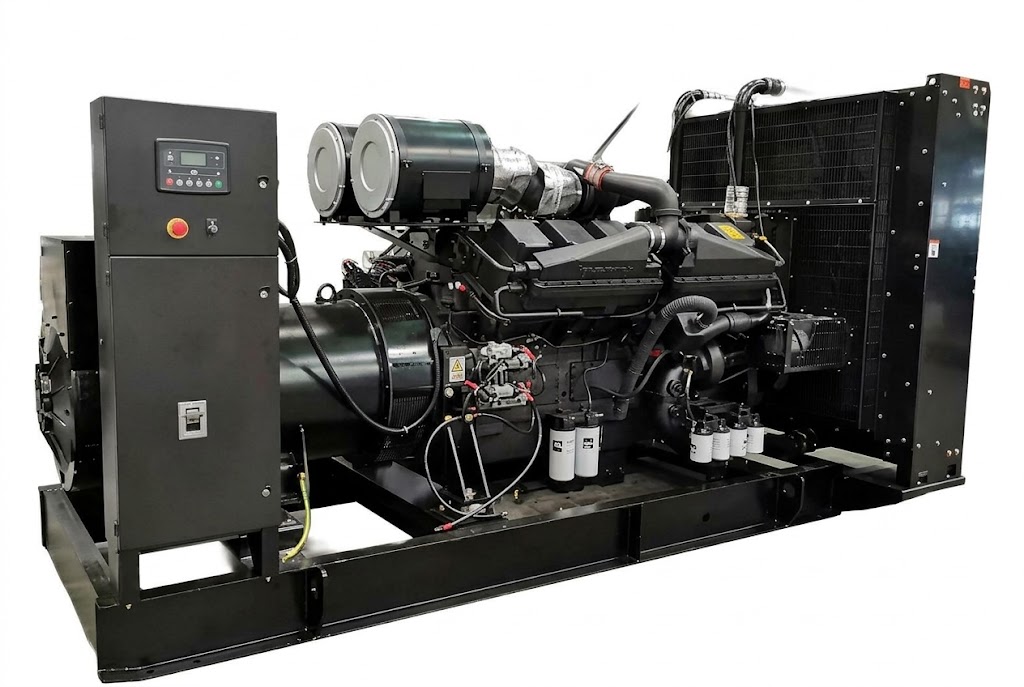
Diesel generators are highly reliable for data centers when you size and maintain them correctly. They must also meet specific load requirements covering capacity, startup time, and fuel autonomy.
Reliability depends on redundancy, maintenance practices, and fuel quality. Load requirements involve load types, sizing calculations, and load testing. These factors determine whether your backup system performs during an outage.
Regulatory compliance, cost considerations, and comparisons with other backup power options also shape your final decision. Diesel Generators for data centers remain a proven choice when you address each of these areas with care. A well-planned system protects your critical IT infrastructure and keeps operations running.
Key Takeaways
-
Build redundancy into your power system to avoid single points of failure.
-
Maintain generators and fuel regularly to ensure reliable performance.
-
Size generators based on real load and check startup surge and harmonics.
-
Test generators under real load to confirm they can carry the IT load.
-
Follow NFPA 110 and EPA rules for safety and emissions compliance.
Diesel Generators for Data Centers: Reliability
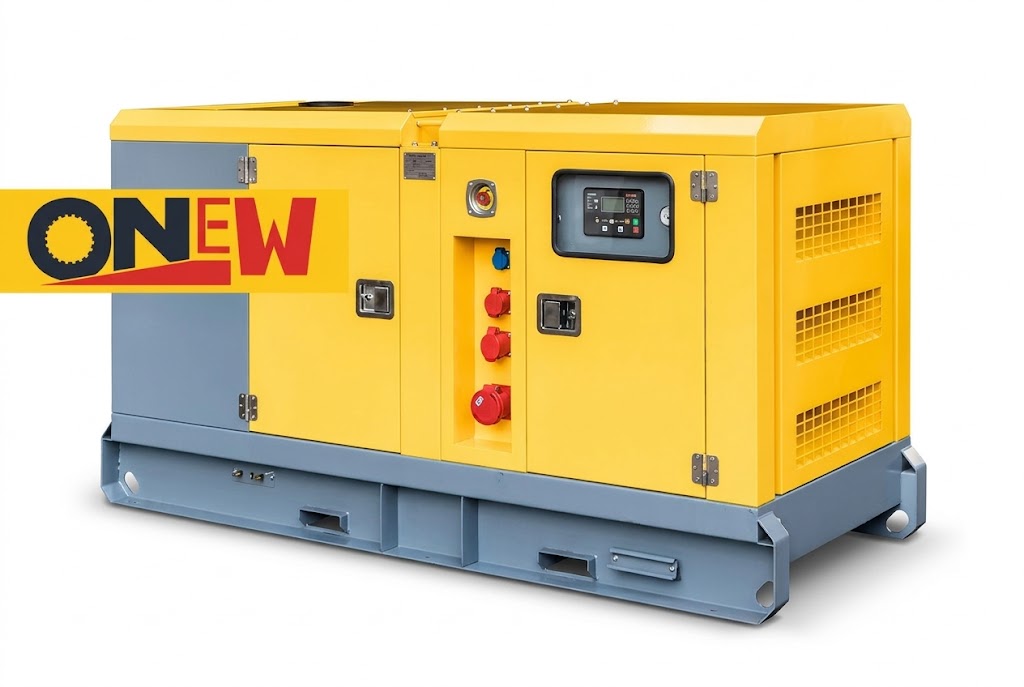
Reliability in a data center backup system rests on three pillars: redundancy, maintenance discipline, and fuel quality. You cannot treat these as separate items. A generator with excellent redundancy still fails if its fuel degrades in storage. A rigorous maintenance program cannot compensate for a single point of failure in the power path. Diesel Generators for data centers earn their reputation only when all three pillars stand together.
Redundancy and Maintenance
Redundancy determines how much capacity you can lose without dropping IT load. Common configurations include N+1, where one extra unit covers the failure of any single generator, and 2N, where a full duplicate system mirrors the primary one. Your choice depends on tier requirements and budget. Whatever the configuration, you must test it under real load. A generator that starts but cannot carry its rated share offers no protection.
Maintenance keeps that protection intact. A scheduled program covers oil and filter changes, coolant checks, battery replacement, and exercising the unit at load. Exercise runs burn off moisture and confirm that the engine, alternator, and transfer switch work as a system. You should log every test and review trends over time.
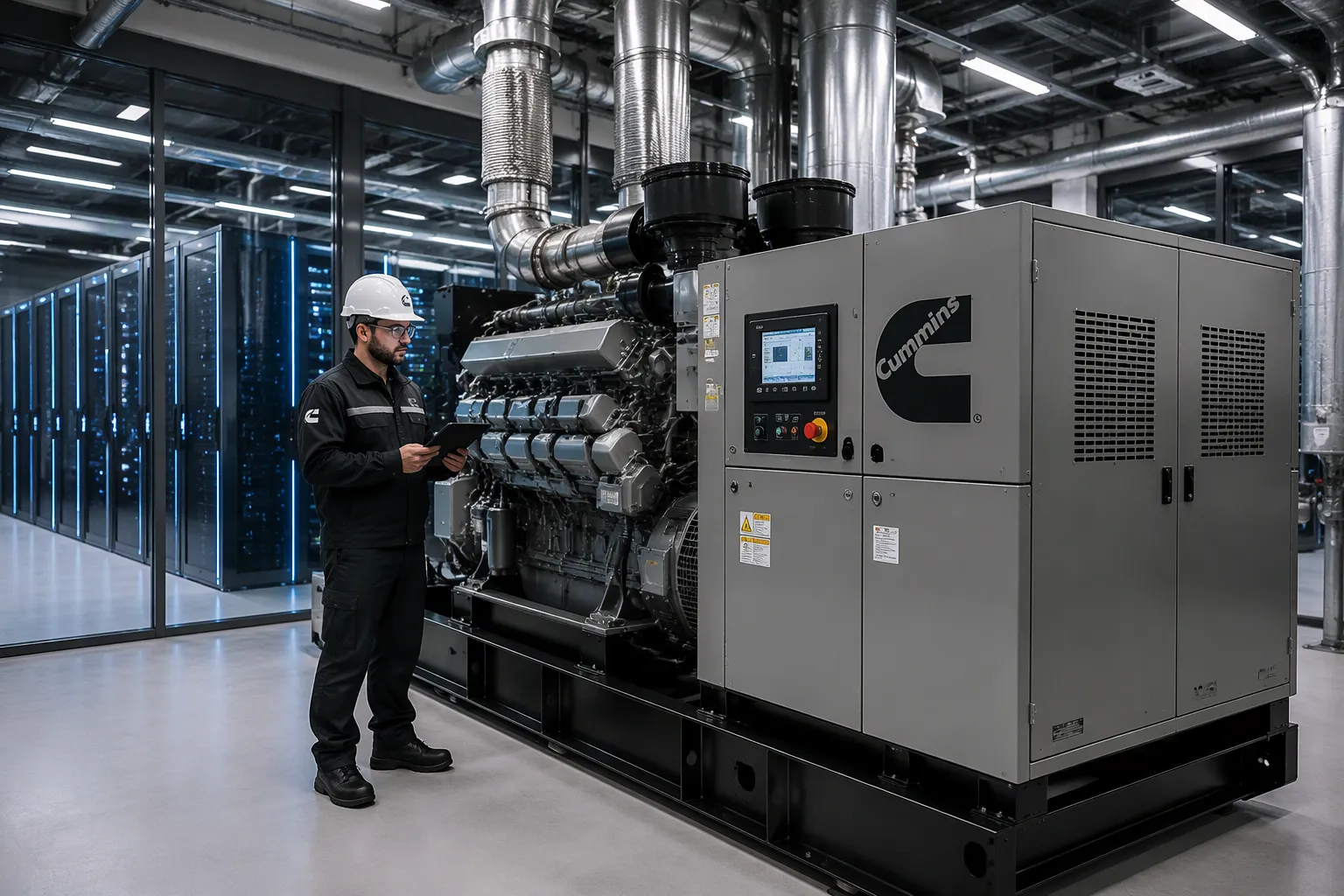
Cummins diesel generators illustrate what reliable standby power looks like in practice. These units deliver durability and high torque output, and they suit continuous operation and heavy-load scenarios. A Cummins Diesel Generator also brings modern design features to the plant room: noise reduction, emissions control, and smart monitoring that flags faults before they become outages. That monitoring supports both performance and compliance.
Fuel Quality and Storage
Fuel is the most overlooked reliability factor. Diesel degrades over time through oxidation, moisture absorption, and microbial growth. Contaminated fuel clogs filters, damages injectors, and can stop an engine at the worst moment. You should test stored fuel on a regular schedule, treat it when results call for it, and polish it to remove water and particulates.
Storage design matters just as much. Tanks need proper venting, water separation, and protection from temperature extremes. You should rotate fuel so that older stock burns first. Keep enough volume on hand to meet your autonomy target, and confirm that the fuel delivery contract holds up during a regional outage when every facility calls at once.
Reliability, in short, comes from design and habit together. Build redundancy into the power path, maintain every unit on schedule, and treat fuel as a controlled asset. Diesel Generators for data centers then deliver the performance their specifications promise.
Standby Generator Load Requirements
Load Types and Sizing
Data center loads fall into three families, and each one behaves differently on a generator. Resistive loads, such as heaters and incandescent lighting, convert current directly into heat and present a stable demand. Inductive loads, including motors, pumps, and compressors, draw a surge at startup and run at a lagging power factor. Nonlinear loads, chiefly IT equipment with switched-mode power supplies, pull current in short pulses and inject harmonics back into the system.
Sizing starts with the real load, not the nameplate rating. Add the steady-state demand of every supported circuit, then apply growth headroom for future racks. Convert apparent power to real power using the load power factor, where real power in kW = apparent power in kVA x power factor. Check the largest motor's starting surge against the generator's transient capability. Nonlinear loads deserve extra attention: harmonic distortion raises heating in the alternator, so you should confirm the unit tolerates your measured distortion level. Undersizing causes voltage sag and nuisance trips. Oversizing wastes fuel and invites light-load wet stacking.
Cummins diesel generators cover this range well. The lineup spans 36kW to 800kVA, with engine models such as the 4BT3.9-G2, 6BT5.9-G2, 6LTAA8.9-G2, and KTA38-G2B. Units ship in 50Hz and 60Hz configurations to match regional power standards.
Startup, Autonomy, and Testing
Startup time defines how quickly the generator assumes load after a utility loss. The transfer switch signals the engine, the engine cranks and reaches rated speed, and the alternator accepts load. You should specify a start-and-accept sequence that fits your UPS ride-through window. A generator that takes longer than the battery supports leaves the IT load exposed.
Fuel autonomy sets how long you can run without resupply. Size the tank for your target duration at expected load, and account for the fact that a partially loaded engine burns less fuel per hour than a fully loaded one. Confirm your refueling contract covers extended outages.
Load testing proves the system. Exercise the generator at rated load on a schedule, and perform a full-load bank test periodically. Record voltage, frequency, and temperature at each step. Diesel Generators for data centers pass these checks only when the test mirrors real conditions.
Compliance and Cost Factors
NFPA 110 and EPA Emissions
Compliance shapes both the design and the budget of a data center backup system. NFPA 110 sets the standard for emergency and standby power systems. It defines system classes by the hours a generator must run without refueling and by the time it needs to accept load. The standard also requires periodic maintenance and testing, and it demands documented records of every check. You should confirm your installation meets the class and level that your facility's risk profile calls for.
EPA emissions rules govern the engine itself. Stationary emergency generators fall under specific tiers that limit nitrogen oxides, particulate matter, and carbon monoxide. Non-emergency operation, such as peak shaving, can trigger stricter limits. You should verify the engine's certification for your intended duty and your region before you commit to a design. Modern units with emissions control simplify this step considerably.
Capital, Operational, and Fuel Costs
Capital cost covers the generator, the transfer switch, the fuel tank, the enclosure, and the installation work. Operational cost covers scheduled service, parts, and testing. Fuel cost depends on run hours and load level. A lightly loaded engine burns less per hour, yet it may need longer exercise runs to stay healthy.
Easy maintenance and long service life drive low total cost of ownership. Units built for straightforward service access cut labor hours over the life of the plant. For smaller data centers, a compact option such as the 5.5kW 5.5kVA Kubota Engine D905 Diesel Generator can deliver dependable standby power at a modest capital outlay. Match the unit to your real load, and the economics stay favorable across the full service life.
Diesel Generators for Data Centers vs. Alternatives
Natural Gas, Battery Storage, and Fuel Cells
Each backup technology fits a different site profile. The table below compares the three main alternatives on the factors that drive selection.
|
Technology |
Technical performance |
Best-fit application |
Compliance and cost |
|---|---|---|---|
|
Natural gas generators |
Continuous fuel supply from a pipeline; lower torque response than diesel |
Sites with firm pipeline capacity and long run-time needs |
Subject to EPA stationary engine tiers; lower fuel storage cost |
|
Battery storage |
Instant response; limited ride-through duration |
Bridging short outages and smoothing load |
No combustion emissions; high capital cost per unit of energy |
|
Fuel cells |
Quiet operation; steady output |
Sites with strict emissions limits and space constraints |
Emerging certification pathways; higher upfront cost |
Natural gas units remove fuel storage from the equation, yet they depend on pipeline pressure that a regional event can interrupt. Battery storage responds faster than any engine, yet its duration suits minutes rather than days. Fuel cells run cleanly and quietly, yet they carry a higher capital outlay. You should match the option to your autonomy target, your emissions limits, and your budget rather than rank them in the abstract.
UPS vs Generator Roles
The UPS and the generator perform different jobs, and you need both. The UPS carries the IT load through the first seconds of an outage and conditions power during normal operation. It absorbs sags, surges, and harmonic distortion before those disturbances reach sensitive equipment.
The generator then assumes the sustained load once it reaches rated speed and accepts transfer. Diesel Generators for data centers earn their place in this pairing because they carry heavy load for extended hours. Size the UPS to cover the generator's start-and-accept window, and size the generator to carry the full steady-state demand plus growth. Neither device substitutes for the other.
Diesel generators remain a proven, reliable choice for data center standby power. Correct sizing, disciplined maintenance, and regular load testing against defined requirements keep that reliability intact.
Compliance and total cost of ownership should guide your decisions. NFPA 110 and EPA emissions rules set the baseline for design and operation. Each backup option — natural gas, battery storage, or fuel cells — has a best-fit application, so match the technology to your site rather than ranking it in the abstract.
Consult experts before you finalize a strategy. They can evaluate your site needs, load profiles, and regulatory conditions, and they can confirm that your Diesel Generators for critical operations meet every requirement.
FAQ
How do you size a diesel generator for a data center?
Start with the real steady-state load, not nameplate ratings. Add growth headroom, then convert apparent power to real power using the load power factor. Check the largest motor's starting surge and your measured harmonic distortion. Undersizing causes voltage sag; oversizing wastes fuel and invites light-load wet stacking.
Can one generator carry a large data center load?
Yes, when the unit matches your demand. High-capacity models such as the YUCHAI 1500kW 1875kVA Diesel Generator suit facilities with substantial steady-state demand. Confirm the transient capability against your largest motor surge, and verify fuel autonomy for your target run time before you commit.
How often should you test a standby generator?
NFPA 110 requires periodic maintenance and testing with documented records. Exercise the unit at rated load on a schedule, and perform a full-load bank test periodically. Record voltage, frequency, and temperature at each step. A generator that starts but cannot carry its rated share offers no protection.
What fuel autonomy should you specify?
Size the tank for your target run duration at expected load. Remember that a partially loaded engine burns less fuel per hour than a fully loaded one. Confirm your refueling contract covers extended regional outages, when every facility calls at once.
Does a UPS replace a generator?
No. The UPS carries the IT load through the first seconds of an outage and conditions power during normal operation. The generator then assumes the sustained load once it reaches rated speed. Size the UPS to cover the generator's start-and-accept window, and size the generator for full steady-state demand plus growth.