
How to Choose a Spiral Duct Machine and the Benefits of In-House Production
Choosing the right spiral duct machine comes down to matching performance, build quality, and application fit to your shop's real workload. In-house production deserves serious consideration for a second reason: it puts cost, quality, and delivery under your control.
This guide gives you practical selection criteria. You will learn which specifications matter, how to size a spiral tube making machine to your duct range, and where compliance and safety fit in.
You will also see the benefits of producing ducts yourself, plus the space, power, and training questions to settle before you buy. A round duct elbow maker or an Automatic spiral air duct machine may join your shortlist as your needs grow.
Key Takeaways
- Match machine speed, thickness range, and diameter range to your actual duct projects.
- Check build quality and easy operation to ensure long-term performance and safety.
- Plan for fittings like elbows and confirm the machine meets safety and code standards.
- In-house production saves money, improves quality control, and shortens lead times.
- Measure your space and power supply, and train an operator before the machine arrives.
Key Criteria for a Spiral Duct Machine
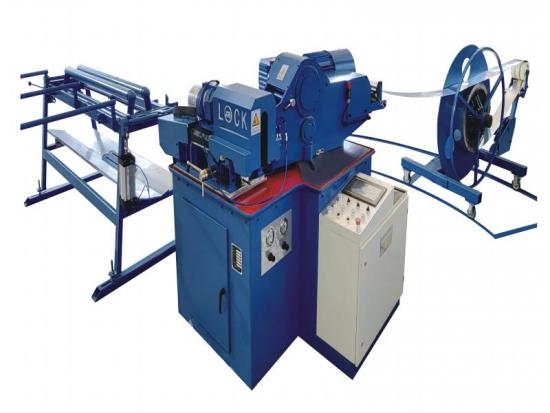
Two criteria decide most purchases: machine capability and construction quality. Treat both as practical filters. A machine that fails either test will cost you money long after the invoice is paid.
Performance and Capacity
Start with the numbers that describe your own duct range. Three specifications matter most: forming speed, coil thickness range, and finished duct diameter range.
Forming speed tells you how many feet of duct the machine produces per minute. Higher speed helps on long runs of straight duct. Lower speed may suit a shop with modest volume and limited floor space. Match speed to your real output, not to the highest figure on a spec sheet. A machine that runs fast but needs constant adjustment wastes the gain.
Thickness range defines the coil gauges the machine can form without strain. Check that the range covers the heaviest gauge you expect to run, not just your average job. A machine rated only for light gauge will struggle on heavier stock, and the seam quality will suffer first. Confirm the gauge range in millimeters or gauge number, and ask what tolerance the machine holds at the top of that range.
Diameter range sets the smallest and largest duct the machine can roll. Compare this range against your actual project list. Write down your five most common sizes and confirm each one falls inside the range. Buy capacity slightly above your largest current job, so future work does not force an upgrade. A spiral duct machine that tops out just below a common project size will send you back to the market quickly.
Also confirm the machine handles the materials you use. Most spiral tube making machines form galvanized steel, stainless steel, and aluminum, but the tooling and drive power differ. Ask the supplier to confirm compatibility in writing.
Build Quality and Operation
Build quality determines how long the machine holds tolerance. Look at frame rigidity, roller hardness, and the quality of the seam-locking head. A heavy, stiff frame resists vibration during forming. Hardened rollers keep the seam tight over thousands of cycles. Ask what wear parts exist and how often they need replacement. Noise levels and operator ergonomics also affect daily output over years of use.
Operation matters just as much. A well-designed spiral duct machine offers simple controls, quick diameter changeover, and safe access to the forming head. Ask how long a size change takes and whether one operator can complete it alone. Short changeovers keep small batches profitable. Request the changeover procedure in writing and time it during the demo.
Check the following before you commit:
- Spare parts availability and typical lead time
- Whether the control panel uses plain-language prompts
- Guarding around rollers and the cut-off station
- Whether the supplier offers installation and operator training
Finally, request a demonstration on your own material. A test run on your coil stock reveals more about build quality than any brochure. Watch the seam quality, listen for vibration, and check the finished diameter against your tolerance.
Application Fit and Compliance
Sizing a Spiral Duct Machine to Your Application
Your duct schedule drives the machine configuration. List every diameter you produce and every gauge you form, then compare that list against the machine's rated range. A shop that runs mostly small-diameter duct needs different tooling than one rolling large trunk lines. Material choice matters too: stainless and aluminum demand different roller hardness and drive power than galvanized coil.
Fitting compatibility completes the picture. Straight spiral duct rarely ships alone, so plan how you will produce elbows, tees, and reducers. A round duct elbow maker handles the curved segments that a spiral machine cannot form, and buying both as a matched set keeps diameters and gauges consistent across your output. Confirm that the spiral machine's diameter range lines up with the elbow maker's capacity, or you will face gaps at the joints.
Standards and Safety
Compliance starts with the codes your projects must satisfy. Commercial ductwork commonly falls under SMACNA construction standards and local mechanical codes, and some applications require UL 181 listed materials. Ask the supplier which standards the machine's output is designed to meet, and request documentation rather than verbal assurance. Verify that the coil you feed the machine carries the certification your projects demand.
Safety deserves equal attention. Confirm that guarding covers the forming head, the seam-locking station, and the cut-off. Check for emergency stops within the operator's reach and lockout points for maintenance. Ask whether the machine ships with a compliance declaration for your market, and confirm the electrical configuration matches your facility's supply. A spiral duct machine that meets your code obligations and safety expectations protects both your projects and your operators.
Benefits of In-House Production
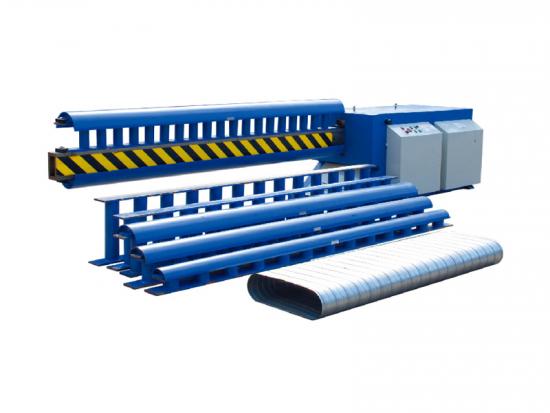
In-house production and outsourcing each fit different situations. Outsourcing suits shops with low, occasional duct demand or no floor space for equipment. Producing your own duct pays off when ductwork forms a steady part of your revenue. The trade-offs below show where each path fits best.
Cost Savings and Quality Control
Buying finished duct means paying for the supplier's material, labor, overhead, and margin on every order. Run your own machine and those costs collapse into coil stock, power, and operator time. The savings grow with volume. A shop that orders duct every week recovers the machine investment far faster than one that orders twice a year. Freight charges also disappear from the ledger, and so does the cost of storing bought-in duct while you wait for a project to start.
Quality control improves in ways that are easy to overlook. You inspect the coil before it enters the machine. You watch the seam form and check the diameter against your tolerance. A defect shows up at your own station, not on a job site after a failed inspection. Rework stays inside your shop, and your crew learns exactly which settings produce a clean lock seam. That feedback loop is hard to replicate when duct arrives from an outside supplier.
Flexibility and Lead Times
Lead time is the quiet advantage. An outsourced order waits in a supplier's queue behind other customers. Your own machine starts forming the moment you load coil. A change order for a few extra fittings becomes an afternoon task instead of a scheduling negotiation. You can also build duct in the sequence your installers need, rather than the sequence a delivery truck allows.
Flexibility extends to the product mix. An automatic spiral air duct machine rolls straight runs quickly, and a matched elbow maker covers the curved segments. You can shift between diameters and gauges as projects demand, without minimum order quantities or setup fees from a third party. Small custom jobs that once looked unprofitable become routine work.
The trade-off is commitment. In-house production ties up capital, floor space, and operator time. Outsourcing keeps those resources free for other work. Weigh your annual duct volume against those commitments before you decide.
Practical Considerations Before Investing
Space, Power, and Training
Floor space decides more than the machine footprint. You need clearance for coil storage, a loading zone, and room to swing long duct sections off the discharge end. Measure the full length of your longest finished run, then add working space at both ends. A spiral tube making machine that fits the doorway may still leave no room to maneuver a finished length.
Power supply and operator skill complete the picture. Confirm the electrical service your building provides matches the machine's requirements, and budget for any panel upgrades. Plan training before the machine arrives. Ask the supplier for hands-on instruction at installation, and designate one operator as the internal expert. That person should learn changeover, seam adjustment, and routine maintenance first.
Evaluating Machine Suppliers
Compare suppliers on documentation, not sales talk. Request a full specification sheet for each spiral duct machine on your shortlist, including gauge range, diameter range, forming speed, and power requirements. Ask each supplier to demonstrate on your own coil stock. A supplier who hesitates at a material test is telling you something useful.
Assess support and service with the same rigor. Ask about spare parts stock, response times for service calls, and whether technical help is available by phone during your production hours. Request references from shops running similar duct ranges. Lockforming Machinery is one supplier worth evaluating on these points, and you should hold every candidate to the same checklist. A round duct elbow maker from the same source keeps your fitting diameters aligned. Compare quotes side by side, and weigh service quality as heavily as price.
Match machine performance, application fit, and compliance to your real workload, then weigh the cost against your annual duct volume. In-house production pays you back through lower costs, tighter quality control, flexible scheduling, and shorter lead times.
Assess your production volume first. Then request full specifications and a quote from a supplier such as Lockforming Machinery, and ask how a round duct elbow maker fits alongside your chosen Spiral Duct Machine.
FAQ
What coil thickness range should you look for?
Match the range to the heaviest gauge on your job list, not your average. Confirm the tolerance the machine holds at the top of that range. Ask the supplier to demonstrate on your own coil stock before you commit.
Can one machine handle both straight duct and fittings?
No. A spiral tube making machine forms straight runs only. Curved segments need a separate tool. Pair the spiral machine with a round duct elbow maker whose diameter capacity matches, so joints line up across your output.
How much floor space does installation require?
Measure your longest finished duct run, then add working clearance at both ends for loading and discharge. Coil storage and a maneuvering zone add more. A machine that fits the doorway may still leave no room to handle finished lengths.
Which standards should the machine's output meet?
Commercial ductwork commonly falls under SMACNA construction standards and local mechanical codes. Some applications require UL 181 listed materials. Request documentation from the supplier and verify your coil carries the certification your projects demand.
How do you compare suppliers fairly?
Request full specification sheets, including gauge range, diameter range, and power requirements. Ask each candidate to demonstrate on your material. Weigh spare parts stock, service response, and operator training as heavily as price. An Automatic spiral air duct machine purchase deserves the same scrutiny as any capital equipment.