
What Causes Cosmetic Packaging Components to Loosen Over Time?
Cosmetic packaging components can loosen over time because of dimensional mismatches, insufficient thread engagement, repeated opening and closing, material changes, vibration during transportation, or an unsuitable sealing structure. Even when a cap, pump, or dropper fits properly during initial assembly, changes in storage conditions and daily use can gradually affect the connection.
For cosmetic brands, a loose packaging component is more than an appearance issue. It can lead to leakage, product contamination, damaged labels, inconsistent dispensing, and customer complaints. The best way to prevent these problems is to evaluate the complete packaging system, including the glass bottle, neck finish, closure, sealing components, and intended cosmetic formula.
LISSON provides customized glass cosmetic packaging solutions, including serum bottles, lotion bottles, droppers, caps, and dispensing components. Selecting compatible components and checking their performance before mass production helps reduce the risk of packaging failures.
Why Do Cosmetic Packaging Components Become Loose?
Cosmetic packaging components usually become loose when the connection between the bottle and its closure cannot maintain consistent mechanical engagement or sealing pressure. The most common causes are incorrect dimensions, thread wear, material changes, repeated handling, and transportation stress.
Here are the main factors brands should investigate:
- Incorrect neck and closure dimensions: The bottle neck and cap, pump, or dropper may have slightly different specifications, resulting in an unstable connection.
- Insufficient thread engagement: If the threads do not engage correctly, the closure may not reach its intended position or maintain a secure fit.
- Repeated opening and closing: Frequent use can gradually affect threads, liners, and other contact surfaces, especially when the components are not designed for repeated handling.
- Temperature changes: Different packaging materials respond differently to temperature changes. This may affect the fit between glass, plastic, metal, and elastomer components.
- Transportation vibration: Continuous movement, impact, and handling during shipping can expose weaknesses in an already unstable connection.
- Incorrect assembly: Cross-threading, uneven tightening, or unsuitable capping settings may create a loose or damaged connection from the beginning.
Can an Incorrect Bottle Neck Finish Cause Loose Caps?
Yes. An incompatible bottle neck finish is one of the first things cosmetic brands should check when a cap, pump, or dropper becomes loose.
The neck finish determines how the closure connects to the glass bottle. For threaded packaging, the relevant dimensions include the neck diameter, thread profile, thread pitch, and engagement area. The closure must be designed to match these specifications.
A cap may appear to fit because it can be screwed onto the bottle, but that does not automatically mean the connection is mechanically correct. A mismatch may cause the closure to sit unevenly, stop too early, or gradually lose its secure position during use.
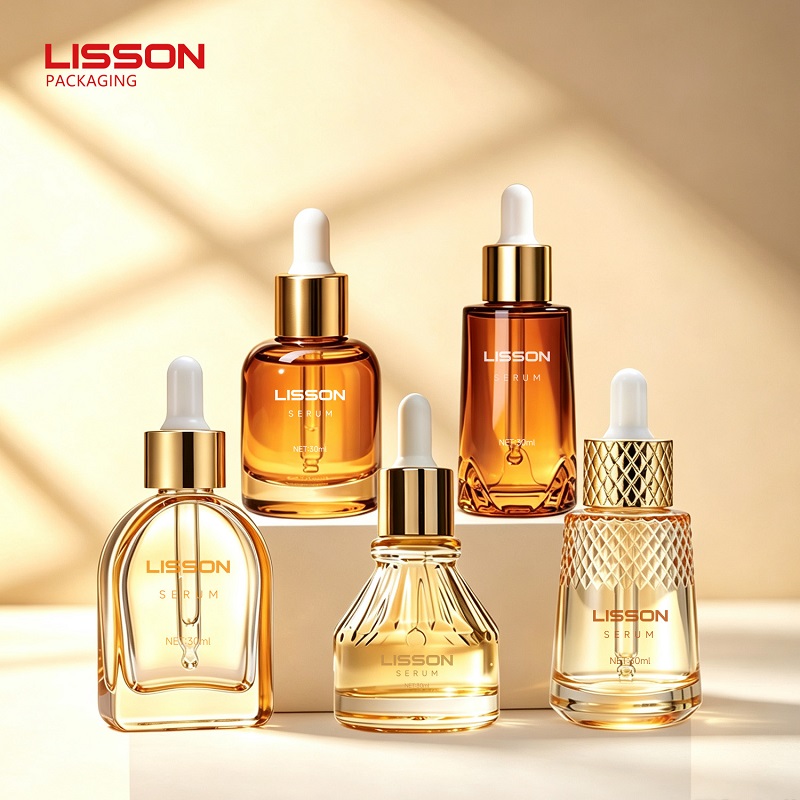
For example, a glass serum bottle with a dropper assembly needs a compatible neck, cap, insert, and sealing structure. If one component has an incorrect dimension, the complete assembly may become unstable even when the other parts meet their individual specifications.
Brands developing new serum packaging can review LISSON's 30ml Custom Glass Dropper Serum Bottle as an example of coordinated glass and dropper packaging.
How Do Temperature and Material Differences Affect Packaging Fit?
Cosmetic packaging often combines glass bottles with plastic caps, metal collars, silicone bulbs, rubber seals, and pump mechanisms. These materials do not respond to environmental conditions in exactly the same way.
Glass generally maintains good dimensional stability under normal storage conditions, while plastic and elastomer components may show greater dimensional or mechanical changes depending on their material composition and temperature exposure.
Over time, these differences can influence how the closure engages with the bottle. A sealing component may compress, recover, or change its fit depending on its design and operating conditions.
Brands should pay attention to the following situations:
- Packaging stored in warehouses with large temperature fluctuations.
- Products shipped through different climate zones.
- Cosmetic formulas that may interact with liners, seals, or plastic components.
- Packaging exposed to repeated heating and cooling during storage and distribution.
The important point is that a packaging system should be evaluated under conditions relevant to its actual application. A closure that performs well at room temperature may require additional testing if the product will experience more demanding storage or shipping conditions.
What Should Brands Check When a Pump or Dropper Becomes Loose?
When a cosmetic pump or dropper becomes loose, brands should inspect the connection systematically rather than immediately replacing the entire bottle.
A practical inspection should include:
- Neck condition: Check for chips, cracks, uneven finishing, and visible damage around the bottle opening.
- Thread engagement: Confirm that the closure can be assembled smoothly and reaches its intended position.
- Closure alignment: Check whether the pump or cap sits evenly on the bottle neck.
- Sealing components: Inspect liners, gaskets, plugs, and other sealing parts for damage or displacement.
- Repeated assembly: Evaluate whether the connection remains stable after repeated opening and closing cycles.
- Leakage performance: Test the assembled package under suitable storage and handling conditions.
It is also important to distinguish between a loose outer cap and an actual sealing failure. Some decorative caps are designed to cover the functional closure and may have a different fit requirement. The primary sealing structure should be evaluated separately.
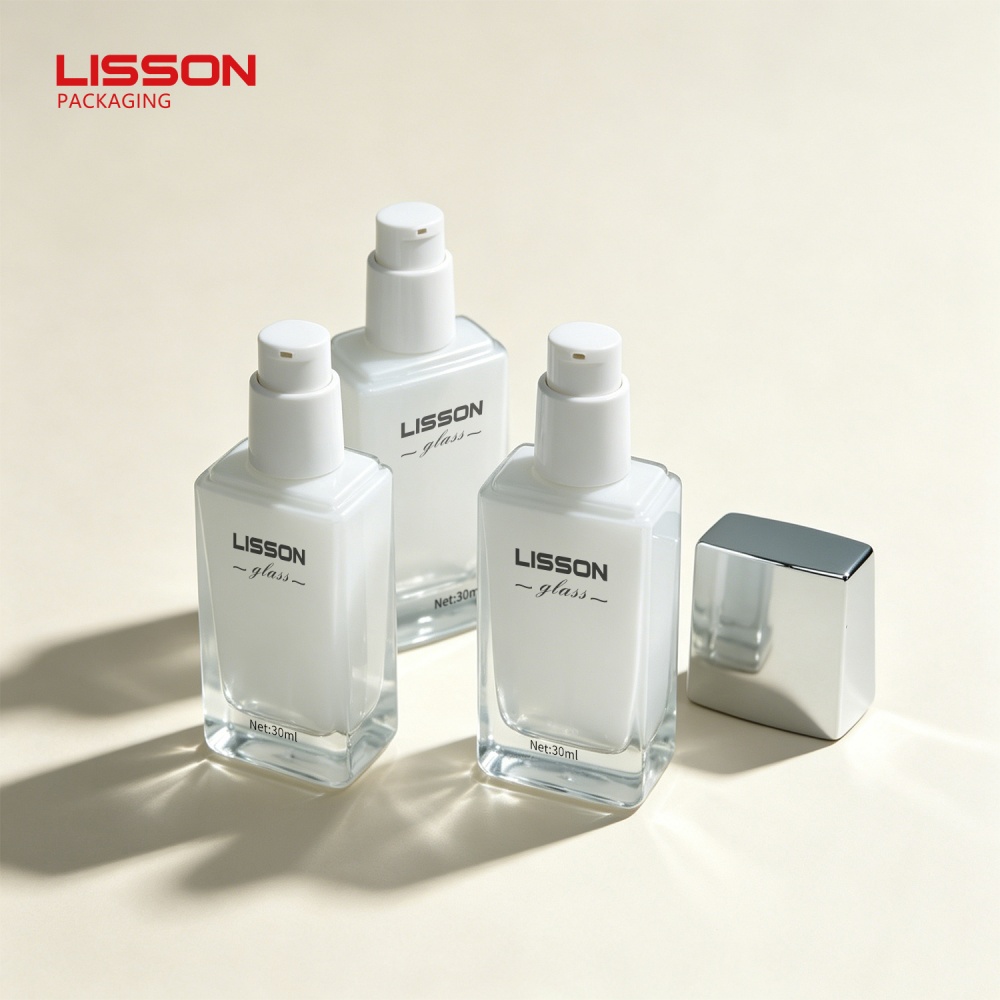
For brands developing coordinated bottles, pumps, and jars, LISSON's Cosmetic Glass Packaging Collection offers different packaging formats for skincare and cosmetic applications.
How Can Cosmetic Brands Prevent Components from Loosening?
The most effective prevention method is to confirm component compatibility before production and validate the assembled packaging under realistic conditions.
Brands and packaging manufacturers should consider these steps:
- Confirm the bottle neck finish and closure specifications before ordering components.
- Use approved drawings and dimensional tolerances for critical connection areas.
- Evaluate the actual cap, pump, or dropper rather than relying only on nominal size descriptions.
- Check sealing performance using the intended cosmetic formula whenever practical.
- Perform repeated opening and closing tests where the product requires frequent use.
- Evaluate transportation and storage conditions before approving the final packaging configuration.
- Keep approved samples and specifications as references for future production batches.
These checks are particularly important for premium skincare products, where packaging appearance and dispensing performance both influence the customer experience.
LISSON supports customized bottle and closure development through its Custom Glass Packaging Service, covering bottle design, sampling, decoration, and coordinated closure solutions.
Frequently Asked Questions
What causes cosmetic bottle caps to become loose?
The main causes include mismatched bottle neck and cap dimensions, insufficient thread engagement, repeated opening and closing, material changes, and transportation vibration.
Can a loose cosmetic cap cause product leakage?
Yes. If the loose connection affects the sealing structure, the cosmetic formula may escape during storage, handling, or transportation. However, a loose decorative overcap does not always indicate a sealing failure.
Why does a glass dropper bottle become loose after repeated use?
Repeated opening and closing may affect the thread engagement and sealing components. Incorrect neck dimensions or unsuitable dropper assemblies can also contribute to an unstable fit.
Does temperature affect cosmetic packaging components?
Yes. Glass, plastic, metal, and elastomer components respond differently to temperature changes. Depending on the materials and design, this may affect the connection or sealing performance.
How can brands test whether a cosmetic closure is secure?
Brands should check dimensional compatibility, assembly position, thread engagement, closure stability, and leakage performance. Repeated opening and closing tests can also help identify potential problems.
When should cosmetic packaging compatibility be tested?
Compatibility should be evaluated during packaging development and before mass production. Additional testing may be necessary when the bottle, closure, formula, or manufacturing process changes.
Can LISSON provide matching glass bottles and closures?
LISSON offers customized glass cosmetic packaging and coordinated components, including caps, pumps, and dropper assemblies. Brands can discuss their bottle dimensions, formula requirements, and intended packaging application during product development.
A reliable cosmetic package depends on more than the quality of the glass bottle itself. The neck finish, closure, sealing components, and intended application must all work together. Checking these details before mass production helps cosmetic brands reduce loose components, leakage risks, and unnecessary packaging costs.